


From Side to the Soul of Anatolia: Caves, Villages and Hidden History
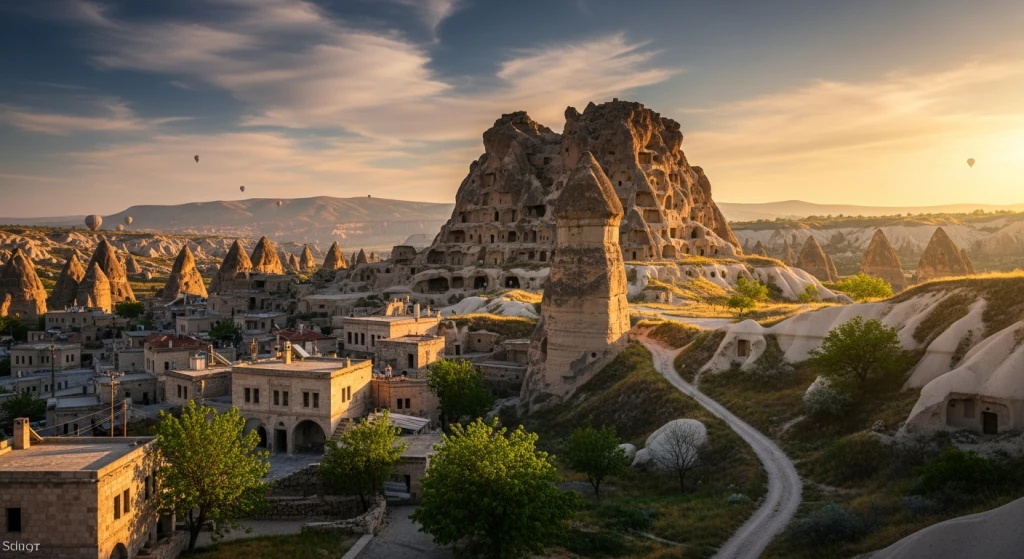
From Side to the Soul of Anatolia: Caves, Villages and Hidden History
Side might be famous for its beaches, ancient theater and lively harbor, but just an hour inland a completely different Turkey unfolds. Swap resort sunbeds for walnut groves, limestone caverns and tea-sipping with grandmothers in headscarves, and you begin to feel the real heartbeat of Anatolia.
The Side: Hidden Anatolia Day Trip with Cave & Village Visit is one of those rare excursions that peels back the coastal postcard and shows you where the region’s culture actually comes from. It is not about adrenaline or luxury; it is about earth, stone, bread, and stories. If you are staying in Side and want to understand Turkey beyond the beach, this is the day trip to book.
Leaving the Coast Behind: A Different Kind of Day Trip
As you leave Side’s palm-lined avenues and hotel zone behind, the landscape changes quickly. The air feels drier, the horizon opens, and the Taurus Mountains slowly rise like a stone wall in the distance. Instead of souvenir stalls, you pass pomegranate orchards, small farms and tractors trundling along village roads.
This shift is exactly what makes the Side region so fascinating: in under an hour, you can move from Mediterranean resort culture to old-world Anatolian village life. The Hidden Anatolia tour leans into that contrast, using the journey itself to show how people here live between two worlds—modern tourism and centuries-old rural tradition.
The Cave: Where Stone Meets Story
One of the highlights of the day is the cave visit, a cool, echoing underworld carved out over millions of years. Even if you have been to famous show caves elsewhere, exploring a smaller, less commercial cavern in the Anatolian countryside feels different.
Inside, stalactites drip from the ceiling like frozen waterfalls, while stalagmites rise from the floor in strange, organic towers. Guides often explain how locals once connected caves to legends: hidden spirits, safe shelters, even gateways to other realms. In a land shaped by earthquakes, invasions and migrations, caves were natural hiding places and storage rooms, offering both security and mystery.
Practically speaking, the cave is also a welcome break from the sun. Temperatures drop noticeably once you step inside, so bring a light layer and shoes with some grip; the stone can be slightly damp in places. It is an easy walk for most visitors, but families with young kids should be ready to hold small hands on the steps.
Village Life: Tea, Bread and Time Slowing Down
If the cave speaks to Anatolia’s geology, the village visit speaks to its soul. This is where the tour really earns its “Hidden Anatolia” name.
You may stop at a traditional house with a shaded courtyard, vine-draped terrace or old fig tree, where tea is brewed in a double-stacked kettle called a çaydanlık. In many families, bread is still baked in wood-fired stone ovens, vegetables are picked from backyard gardens, and chickens wander freely under fruit trees. What feels picturesque to visitors is simply everyday life here.
Do not be surprised if you are invited to taste homemade bread, olives, or a slice of village cheese. Rural hospitality is not a performance; it is a deeply rooted value. People often ask where you are from, how many children you have, what you think of Turkey. Smiles and gestures go a long way, but learning a couple of words—“merhaba” (hello) and “teşekkürler” (thank you)—adds warmth to every interaction.
Traditions You Can Still See
Depending on the day and the season, you might catch glimpses of:
• Women weaving or embroidering textiles, using patterns passed down through generations.
• Men playing backgammon in the tea garden, tiny tulip-shaped glasses of tea lined up on the table.
• Seasonal work, like harvesting walnuts, pomegranates or olives in the surrounding fields.
These small scenes are what make the tour feel authentic. You are not walking through a staged “heritage village”; you are stepping into a living community that just happens to welcome curious guests.
Why This Tour Shows You the “Real” Side of Side
Side’s Roman ruins and coastline are spectacular, but they tell only part of the story. The Hidden Anatolia Day Trip with Cave & Village Visit fills in the missing chapters:
• Cultural context: Seeing how people live today—in stone houses, with homegrown food and strong community ties—helps you understand how earlier civilizations in this region might have organized their daily lives.
• Human connection: Museums are wonderful, but they cannot offer tea, laughter and eye contact. Sharing a table with villagers often becomes the most memorable part of a Turkey trip.
• Landscape perspective: From the cave’s cool interior to the rolling farmland and mountain backdrop, you get a sense of how geography has shaped this region’s history, diet and economy.
Practical Tips for Enjoying the Hidden Anatolia Tour
What to wear: Comfortable walking shoes, light breathable clothing, and a modest outfit that covers shoulders and knees work best, especially in conservative rural areas and village mosques (if visited). A light scarf can be useful for women.
What to bring: A small daypack, sunscreen, hat, and a reusable water bottle. For the cave, a light jacket or long-sleeved layer can make the cool air more comfortable.
Photography etiquette: Always ask before photographing people, especially children or older villagers. A smile, a gesture to your camera, and a simple “fotoğraf?” are usually enough to get a yes—or a polite no.
Support local: If there is a chance to buy handmade items, homemade jams or dried herbs, treat it as both a souvenir and a thank-you to the hosts. Even a small purchase can matter in a village economy.
Who This Tour Is Perfect For
This is an ideal day out if you:
• Feel “done” with the beach and want to see something different without a long drive.
• Love cultural travel and meeting locals as much as you love scenery.
• Are traveling with older kids or teens and want to show them what life looks like beyond tourist zones.
• Appreciate quieter, slower experiences rather than pure thrill-seeking.
Side will always be known for its sea and ruins, but its heart lies inland, in cool caves and sunlit villages where life moves to an older rhythm. If you want to say you have really been to this part of Turkey—not just passed through—the Side: Hidden Anatolia Day Trip with Cave & Village Visit is your doorway to the soul of Anatolia.
Our partners