Antalya in Winter: Weather, What's Open and Things to Do
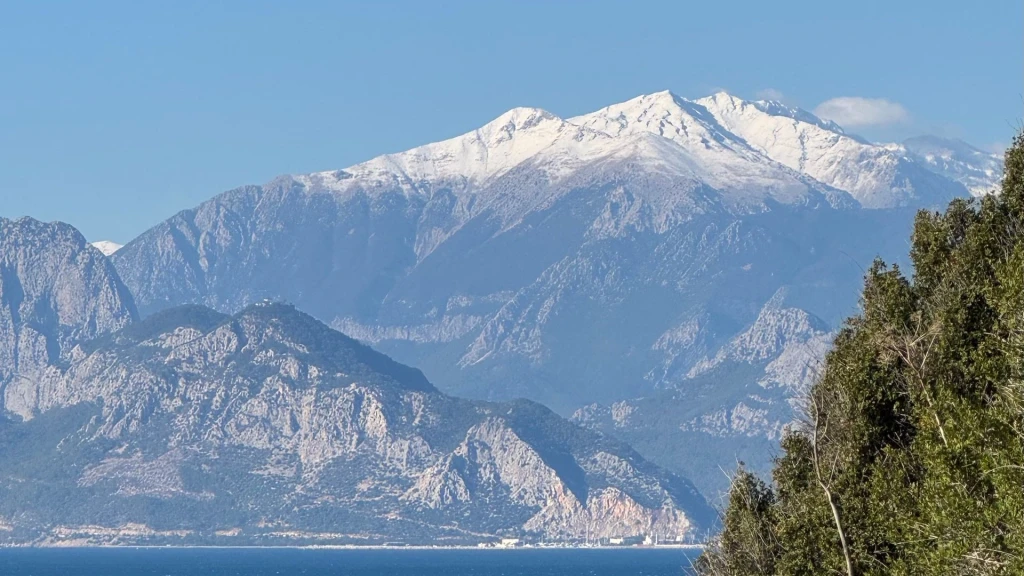
Antalya in winter is a different city from the one most people know. The beach crowds have gone, the old town feels local again, and on a clear day you can stand by the sea in a light jacket and look up at snow on the Taurus Mountains. It also rains more than many visitors expect, the days are short, and some things close for the season. This guide uses official Turkish weather data and current information from the Ministry of Culture and Tourism and the Governor's office to show what December, January and February in Antalya are really like, what's open, and how to plan your days.
Antalya winter weather: the official numbers
These are the long-term averages for the Antalya weather station from the Turkish State Meteorological Service (MGM), based on 1991–2020.
MonthAvg highAvg lowRainy daysRainSunshine per dayDecember | 16.7 °C | 7.5 °C | 12.4 | 271.7 mm | 4.7 hours |
January | 15.0 °C | 5.9 °C | 12.6 | 210.6 mm | 4.9 hours |
February | 15.9 °C | 6.5 °C | 10.8 | 112.7 mm | 5.7 hours |
March | 18.4 °C | 8.3 °C | 9.6 | 94.5 mm | 6.5 hours |
Three things stand out.
- Days are mild, nights are cool. A typical January afternoon is around 15 °C. After sunset it can drop to about 6 °C, so you need a proper layer in the evening.
- December is the wettest month. Antalya gets most of its rain in winter, and it often comes as heavy downpours rather than all-day drizzle. A rainy morning is often followed by a bright afternoon. Plan one indoor option for each day and keep the outdoor parts flexible.
- February is the turning point. Rain falls by more than half compared with December, the sun shines longer, and by March the city feels like spring.
Is the sea warm enough to swim?
MGM's long-term averages for the Mediterranean (1970–2025) put the sea at about 18.5 °C in December, 16.7 °C in January and 16.0 °C in February. That is cold for most people but not impossible, and some people do take a quick dip on calm, sunny days. Most visitors are happier with a heated hotel pool or a hammam.
Daylight in winter
Short days are the real limit on a winter trip. These times are calculated for Antalya city in local time (UTC+3, which Türkiye uses all year).
DateSunriseSunsetDaylight1 December | about 07:51 | about 17:40 | about 9 h 50 min |
21 December | about 08:06 | about 17:44 | about 9 h 38 min |
15 January | about 08:09 | about 18:03 | about 9 h 55 min |
1 February | about 07:59 | about 18:21 | about 10 h 22 min |
28 February | about 07:29 | about 18:49 | about 11 h 20 min |
Türkiye doesn't change its clocks, so mornings stay dark until about 8 o'clock in midwinter. If you're on a day trip, the light, not the temperature, decides how much you can see. Put the outdoor sights first and leave cafés, shopping and the hammam for after dark.
What's open and what's closed in winter
Antalya is a large city that lives all year, so shops, restaurants, markets, the tram and city life carry on as normal. A few things are worth knowing before you go.
- The Antalya Museum is closed. The city's main archaeological museum closed to visitors in July 2025, and the old building was demolished so that a new one could be built on the same site. In a written answer to parliament in July 2026, the Ministry of Culture and Tourism said it plans to complete the new museum during 2027. Do not plan a winter 2026–27 trip around it.
- Ancient sites stay open. The Ministry lists Perge and Aspendos as open every day. Opening hours are shorter in winter, so check the current times on muze.gov.tr before you go.
- Boats and sea trips depend on the weather. Harbour boats in Kaleiçi and longer cruises are seasonal and can be cancelled when the sea is rough. Treat any boat plan in winter as weather-dependent.
- Some resort hotels close. Some beach hotels on the wider Antalya coast close for part of the winter. Check before you book, especially outside the city centre.
- Holidays. 25 December is an ordinary working day in Türkiye. 1 January is a public holiday.
Things to do in Antalya in winter
Walk Kaleiçi without the crowds
The old town, Kaleiçi, is at its best in winter. Its lanes of Ottoman houses, the old harbour, Hadrian's Gate, the Hıdırlık Tower and the Fluted Minaret are all outdoors and free to walk past. In summer the midday heat pushes you indoors. In winter you can wander at any hour. Bring shoes with grip, because the polished stone streets get slippery after rain.
If you're staying in Antalya, our Antalya aquarium, waterfall and old town tour (6–7 hours, hotel pickup in Antalya) ends with two hours of free time in Kaleiçi. If you're staying in Side, the Antalya old town and waterfall day trip from Side (8 hours, hotel pickup in Side) combines a Kaleiçi walk, the Düden Waterfalls and free time in the city centre.
Düden and Kurşunlu waterfalls
Winter is good waterfall season. The rains feed the rivers coming down from the Taurus Mountains, and the Lower Düden Waterfall pours straight off the cliffs into the sea. Kurşunlu, east of the city, sits in a wooded valley. Both are short visits, and both are more pleasant in winter, when you don't have to share the viewpoints with summer crowds.
Both ALYS tours above stop at Düden. The day trip from Side includes the Düden entrance and a photo stop at Kurşunlu.
A rainy-day plan: aquarium and hammam
With twelve or so rainy days a month, it helps to have a plan for wet weather.
- The tunnel aquarium and wax museum. Both are included in the Antalya city tour above. They work well on a wet morning, and the tour includes the aquarium entrance ticket.
- A Turkish bath. A hammam is the classic way to warm up on a grey day. Our Turkish bath, spa and massage experience takes 2–3 hours and includes a sauna, salt room, hammam, kese scrub and foam, and an oil massage. A swimsuit is required, and hotel pickup is listed as optional.
Ride up Tahtalı
On a clear winter day, the cable car up Tahtalı Mountain (2,365 m), south-west of the city above the Kemer coast, is one of the best views in the region. You go from olive groves and sea to snow in a single ride. The operator's official timetable lists 09:00 to 15:00, every day from January to March, with the last ride up 30 minutes before closing. Hours can change with the weather, and the cable car does not run in bad conditions. Check the official departure times on the day and go early, because the summit is far colder than the coast.
Ski at Saklıkent in the morning
Antalya is one of the few places where you can ski and still see the Mediterranean the same day. Saklıkent Ski Centre sits on the northern slope of Bakırlıdağ in the Beydağları range, in the mountains behind the city. According to the Antalya Governor's office, the season runs for about 120 days between roughly 10 December and 10 April, with snow typically 100–200 cm deep. Late February and March are known for the "ski in the morning, sea in the afternoon" idea.
The resort lists a chairlift between about 1,900 m and 2,400 m, a T-bar and a beginners' lift, and children up to 6 are not allowed on the chairlift. The opening date depends entirely on snowfall and is announced each season, so check before you go. ALYS does not run ski trips. This is a do-it-yourself day for keen skiers.
Day trips from Antalya in winter
Winter is a good time for the region's ancient sites. Walking around open ruins at 15 °C is far easier than at 35 °C.
Perge and Aspendos
Perge, on the eastern edge of Antalya, has a colonnaded main street and a Roman stadium. Aspendos has what the Ministry of Culture and Tourism calls the best-preserved Roman theatre in Türkiye. Both are open every day. Go on a dry day, and plan to leave the sites well before sunset.
Winter tour dates vary, so check the dates on each tour page or ask us on WhatsApp.
New Year in Antalya
New Year's Eve is the big winter night in Türkiye. Restaurants, hotels and bars in the city hold celebrations, and 1 January is a public holiday. If you want a special dinner on 31 December, book it in advance. Christmas, by contrast, passes quietly. 25 December is a normal working day, although some hotels that cater to European guests mark it.
Staying on the coast instead: Side in winter
If you'd rather base yourself in a smaller resort town with ancient ruins by the sea, Side lies east of Antalya along the coast. We've covered its winter weather, sea and daily life in our guide to Side in winter.
What to wear in Antalya in winter
- Layers. A T-shirt or light top, a warm jumper or fleece, and a windproof jacket for evenings.
- A rain jacket or umbrella. December and January bring heavy showers.
- Shoes with grip. Kaleiçi's stone streets and the ancient sites get slippery when wet.
- Warm clothes for the mountains. Tahtalı and Saklıkent are winter at altitude: hat, gloves and a proper coat.
- A swimsuit. You'll need it for a hammam, a heated pool or a brave sea dip.
- Sunglasses and sunscreen. Clear days are bright, especially on snow.
Is Antalya worth visiting in winter?
Yes, if you come for the city, the history and the scenery rather than the beach. Winter is a good time to walk Kaleiçi at your own pace, see the waterfalls in full flow and explore Roman sites without heat or crowds. You can also go from the coast to the snow in a single day. It is not the right season if your main goal is sunbathing and warm-sea swimming, and you should allow for rain, short days and the museum closure. February is often the best compromise, with less rain, longer days and still few visitors.
Frequently asked questions
How cold is Antalya in winter?
Not very, by European standards. MGM's long-term averages for Antalya are about 15–17 °C by day and 6–8 °C at night from December to February. January is the coolest month.
Does it rain a lot in Antalya in winter?
Yes. Winter is the rainy season. December averages about 12 rainy days and around 270 mm of rain, often in heavy bursts. February is much drier.
Can you swim in Antalya in winter?
The sea averages about 16–18 °C from December to February, according to MGM data. Some locals swim on sunny days, but most visitors prefer heated pools or a hammam.
Is the Antalya Museum open in winter 2026–27?
No. It closed in July 2025 for rebuilding. The Ministry of Culture and Tourism says it plans to complete the new museum during 2027.
Can you ski near Antalya?
Yes, at Saklıkent Ski Centre in the mountains behind the city. The Governor's office says the season runs for about 120 days between roughly 10 December and 10 April, but the opening date depends on snow.
Is December a good time to visit Antalya?
It's good for sightseeing and quiet streets, with mild days around 17 °C, but it is the wettest month. Plan indoor options and keep outdoor days flexible.
Do tours run in Antalya in winter?
Many day tours run all year, but schedules vary and boat trips depend on the weather. Check the dates on the tour page or message us on WhatsApp before you plan your trip.
Our partners