


Saklikent from Kaş: A Day with Kaputaş & Patara
Most people who stay in Kaş spend their days on the water: Kekova boats, kayaks, the little pebble coves along the peninsula. The one land day almost everyone asks about is Saklıkent, the narrow river gorge in the mountains behind the coast, usually combined with Kaputaş Beach and Patara. It's a long day and a good one, but it goes better if you know in advance how cold the water is, how far you'll actually walk and which tickets are paid on the spot.
This guide follows the route of our Kaputaş, Saklıkent and Patara day from Kaş, stop by stop, with the practical details we get asked about most.
Where Saklıkent is, and why it's a full day from Kaş
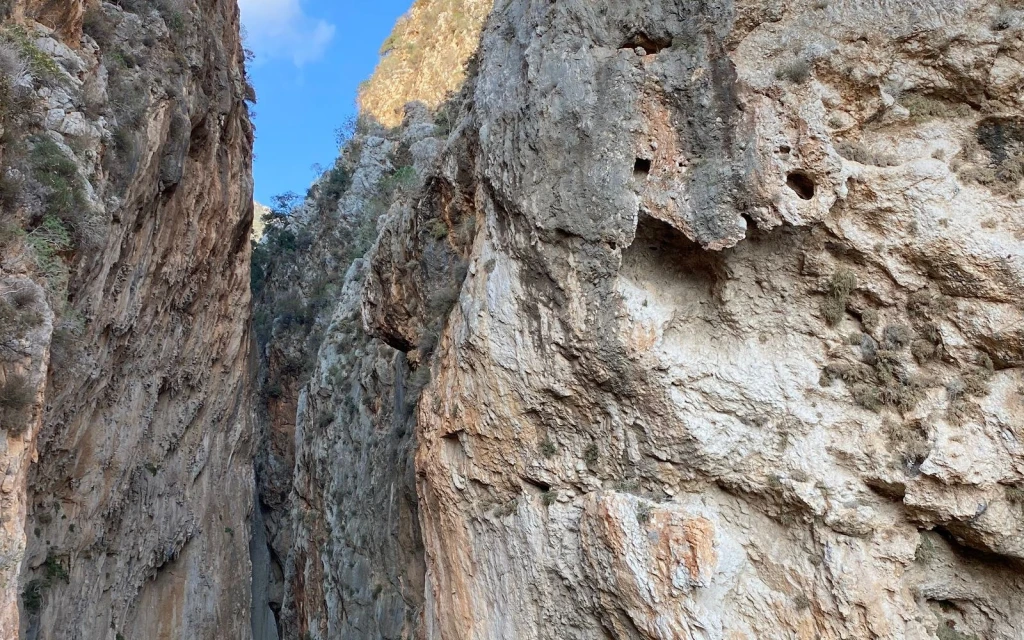
Saklıkent sits about 50 km from Kaş by road, just over the provincial line in Muğla's Seydikemer district, where the Taurus foothills drop toward the Xanthos valley. The gorge is around 18 km long and in places only about two metres wide, with limestone walls rising high enough that much of the floor stays in shade at midday. It's protected as a national park.
You could drive straight there and back in a morning. The reason a tour takes around ten hours is the stops in between: a swim at Kaputaş on the way out, breakfast in a village, the gorge itself, a waterfall and lunch, and an hour at Patara on the way back. If you only want the gorge, a car gives you more control. If you want the coast and the canyon in one day without planning the logistics, the combined day makes more sense.
Kaputaş first: a swim before the crowds
Kaputaş is about 20 km west of Kaş on the coast road toward Kalkan, a small sandy cove at the mouth of a ravine. It's roughly 150 metres of sand, and you reach it by 187 steps down from the road, which you climb again afterwards. The colour of the water is what puts it on postcards.
On our route it comes first, which helps: the beach is calmer earlier in the day, and the sea is a pleasant warm-up for what comes later. Wear swimwear under your clothes so you don't waste the stop changing. Depending on the season there may be a small entrance charge; it isn't included in the tour.
Breakfast in Palamut, then into the gorge
From the coast the route turns inland to Palamut, a village where breakfast is served village-style before the drive on to Saklıkent. It's a good moment to move your phone into a zip bag and switch to shoes you don't mind soaking.
Walking Saklıkent: water, shoes and how far you'll go
The entrance is a wooden walkway bolted to the canyon wall above the fast water, a couple of hundred metres long. At the end you step down into the river bed. This is the part people remember: the water comes from mountain springs and stays cold all year, with sources quoting anything from about 5 to 12 °C. The first wade is a genuine shock on a hot day, and then it becomes the best part.
Only the first few kilometres of the gorge are open to visitors, and many people turn back well before that. On our day you walk about 2 km in the cool canyon water and along the gorge floor, which is plenty to see the narrows without technical gear. A few honest points:
- The river bed is stones and silt, and it's slippery. Flip-flops come off. Use water shoes, sport sandals with straps or old trainers. Rubber shoes are often rented at the entrance.
- Expect water around knee height in places, sometimes higher. Shorts and a quick-dry top work best; bring a dry change for the bus.
- Keep your phone and car keys in a waterproof pouch. Reception inside the gorge is patchy.
- The gorge entrance fee is paid at the gate and isn't included. Prices quoted for 2026 vary by source, so carry some cash in lira rather than relying on a card.
Gizlikent waterfall and lunch in the tree houses
After the gorge the route continues to Gizlikent, a short walk through greenery to a waterfall with free time for photos. Lunch is served in tree houses surrounded by greenery, with a choice of chicken or fish.
Gizlikent is also where the optional extras are. Rafting and a zipline are available for an extra fee and aren't part of the tour price. They're fun if you have energy left, but nobody misses out by skipping them.
Patara: the long beach and the dunes
The afternoon stop is Patara, about 45 km from Kaş and as different from Kaputaş as a beach can be: roughly 18 km of open sand backed by dunes, inside a protected area next to the ruins of the ancient Lycian city. You get about an hour of free time to swim and dry off, then a short photo stop at the sand dunes before the drive back to Kaş.
Patara is a nesting beach for loggerhead turtles. During the nesting season, roughly mid-May to mid-September, the beach closes to visitors overnight and parts of it are fenced around nests. Daytime visits like ours aren't affected, but stay out of marked areas. Beach entry is charged and isn't included in the tour.
When to go (and what changes in October)
Saklıkent is usually open from roughly April to October. In spring, snowmelt can make the river high and fast, and the gorge may close in high-water periods. The water is lowest and easiest to wade from late July through September, which is also when the cold water feels best.
October is still a nice time for this day: the coast is quieter, the sea at Kaputaş and Patara is still swimmable for most people, and the gorge walk is less crowded. Days are shorter, so the last stops feel less leisurely. Check the live dates on the tour page before you plan around it, since end-of-season dates can change.
What to pack and what costs extra
Pack swimwear, a towel, sunscreen, a sun hat, sunglasses and shoes that can get wet, plus a dry layer for after the gorge. The tour includes a guide, breakfast in Palamut, lunch and insurance.
Not included: entrance fees at Kaputaş (where charged), Saklıkent and Patara, drinks, the optional rafting and zipline, and personal spending.
Other days out from Kaş
If you have more than one free day, the obvious pairing is a day on the water. The Kekova sunken city cruise is the relaxed version, with swim stops in several bays, a slow pass over the submerged ruins and time in Kaleköy. If you'd rather paddle, the sea kayaking day to the sunken city and Kaleköy covers about 9 km with around 2.5 hours of paddling; our Kaş sea kayaking guide explains how that day runs. Staying further east around Side? Side to Kekova in one day explains the longer version from there.
Frequently asked questions
How far is Saklıkent Gorge from Kaş?
About 50 km by road. On the combined day with Kaputaş, Palamut, Gizlikent and Patara, the whole trip takes around ten hours.
How cold is the water in Saklıkent?
Cold all year. It's spring-fed mountain water, and published figures range from about 5 to 12 °C. Bring dry clothes for afterwards.
How far do you walk in the gorge?
On our day, about 2 km in the canyon, partly along the river bed through water. The gorge is much longer, but only the first few kilometres are open to visitors without specialist equipment.
What shoes should I wear for Saklıkent?
Water shoes, strapped sport sandals or old trainers you don't mind soaking. Flip-flops slip off in the current. Rubber shoes are often rented at the entrance.
Are entrance fees included?
No. The Saklıkent, Patara and (where charged) Kaputaş entrance fees are paid on the spot. Breakfast, lunch, guide and insurance are included.
Can I swim at Kaputaş and Patara on this tour?
Yes. There's a swimming stop at Kaputaş in the morning and about an hour of free time at Patara in the afternoon.
Is Saklıkent open in October?
Usually yes; the gorge is generally open from about April to October and the water is low in autumn. Check the tour page for current dates before you plan your week around it.
Our partners