Turkey in November: Weather, Where to Go & Sea Temperature
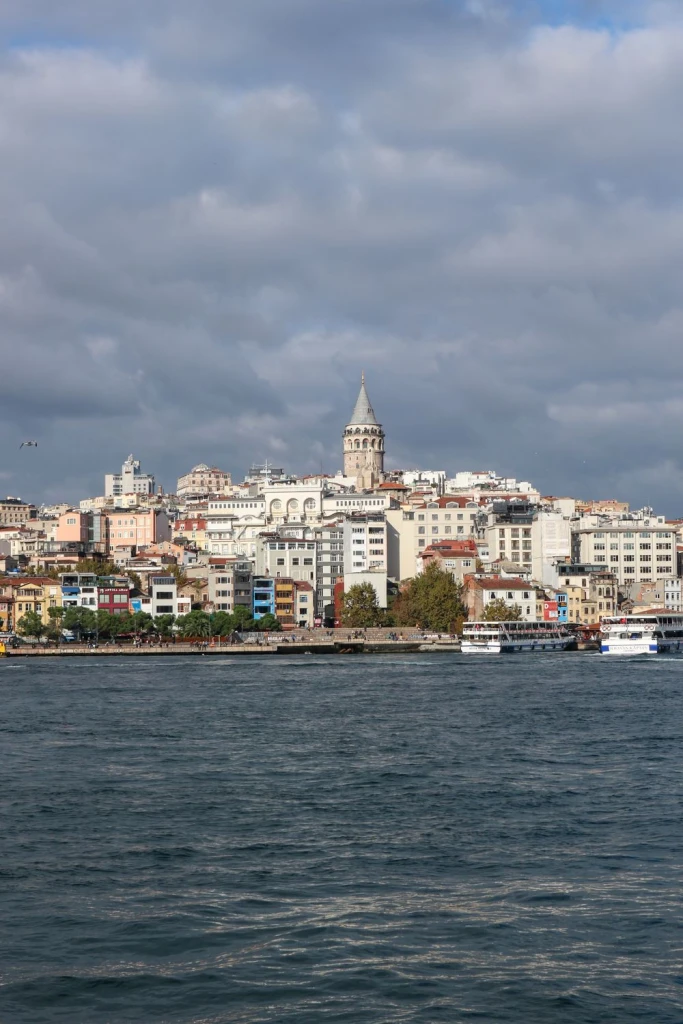
November is when Türkiye stops being one holiday and turns into several very different trips. The south coast is still mild enough for an afternoon swim on a calm day, Istanbul has settled into cool, damp city weather, and in Cappadocia the mornings can already be frosty. If you plan the month as if the whole country shares one climate, you'll pack wrong and book the wrong days. Here's what the official figures say, region by region, and how to build a November trip around them.
Is November a good time to visit Türkiye?
Yes, if you choose your regions with the weather in mind. The summer heat is gone, so long days on foot at ancient sites, in bazaars and on city streets are comfortable again. It's a good month for history, food and landscapes rather than for a guaranteed beach holiday.
The trade-offs are rain and short days. November is one of the wetter months almost everywhere on the coast, and the sun sets before 18:00 across the country. Neither is a reason to stay away. They're reasons to plan mornings well and keep an indoor option for each day.
Turkey weather in November, region by region
These are long-term averages from the Turkish State Meteorological Service (MGM) for the stations closest to the places most visitors go. They describe a typical November, not a forecast for your dates.
Region (MGM station)Avg. highAvg. lowRainy daysRainfallAntalya coast (Antalya) | 21.6 °C | 10.7 °C | 8.5 | 152 mm |
Aegean, for Ephesus (İzmir) | 18.8 °C | 10.9 °C | 9.1 | 100 mm |
Pamukkale (Denizli) | 17.8 °C | 7.5 °C | 7.7 | 58 mm |
Istanbul (İstanbul) | 16.1 °C | 9.9 °C | 11.3 | 78 mm |
Cappadocia (Nevşehir) | 11.6 °C | 2.1 °C | 7.1 | 33 mm |
Antalya, İzmir, Denizli and Nevşehir: 1991–2020 normals. Istanbul: MGM long-term record, 1950–2025.
A few things stand out. The Antalya coast is the warmest region by a clear margin, but it's also the wettest: rain there tends to come in heavy bursts, so a stormy morning often clears by the afternoon. Istanbul has the most rainy days. Cappadocia is the driest of the five, but its nights drop close to freezing, which is a different kind of packing problem.
How warm is the sea in November?
The sea holds its summer heat far longer than the air. MGM's long-term records (1970–2025) give these November averages:
- Mediterranean: 21.4 °C
- Aegean: 18.0 °C
- Sea of Marmara: 15.2 °C
So a swim on the Antalya coast is realistic on a calm, sunny day, especially early in the month. On the Aegean it's for the hardy, and in Istanbul the sea is for looking at from a ferry.
Short days: plan around the light
Türkiye stays on UTC+3 all year, so there's no clock change in autumn. Calculated sunrise and sunset times:
Place1 November15 November30 NovemberIstanbul | 07:34 / 18:00 | 07:51 / 17:45 | 08:08 / 17:37 |
Side (Antalya coast) | 07:18 / 17:57 | 07:32 / 17:45 | 07:47 / 17:38 |
Ephesus (Selçuk) | 07:36 / 18:12 | 07:51 / 17:59 | 08:06 / 17:51 |
Pamukkale | 07:29 / 18:05 | 07:43 / 17:52 | 07:59 / 17:44 |
Göreme (Cappadocia) | 07:07 / 17:41 | 07:22 / 17:27 | 07:38 / 17:20 |
That's roughly ten hours of daylight. Start sightseeing early, save museums, hammams and long dinners for the evening, and don't plan an outdoor visit that finishes after 17:00.
If you're travelling from Europe, remember that most European countries put their clocks back on the last Sunday of October. Through November, Türkiye is three hours ahead of the UK and two hours ahead of Central Europe, one hour more than in summer. It's easy to miss when you check a pickup time or a flight connection.
Where to go in Turkey in November
The Antalya coast: the warm option
If you want sunshine and a chance of a swim, head south. Around Side the afternoons are often T-shirt weather, the beaches and the ancient harbour are far quieter than in summer, and the sea is still warmer than it will be at any point until next June. Mornings and evenings need a light jacket, and you should expect one or two rainy days a week.
A wet day on the coast is a good excuse for a hammam. Our Turkish bath, spa and massage experience in Manavgat takes two to three hours: sauna, salt room, a warm marble stone, a kese scrub and foam massage, a full-body oil massage and a face mask. Hotel transfer is available with the option you choose, and you'll need a swimsuit. For a week-by-week look at the coast, read our guide to Side in November.
Istanbul: cool, grey and full of indoor options
Istanbul in November averages about 16 °C in the afternoon, with rain on roughly one day in three. That suits the city better than you'd think. Mosques, palaces, covered bazaars and museums all work in any weather, and walking between them is easier without summer heat. Bring an umbrella, shoes that cope with wet cobbles and a warm layer for the ferry decks, where the wind off the water feels colder than the thermometer.
The early dark also gives you long evenings. The Bosphorus dinner cruise is a three-hour evening cruise past the lit-up palaces and bridges, with a set menu of mezes and a main course, unlimited soft drinks, folk dance, whirling dervish and belly dance performances and a DJ. A round-trip group transfer from your hotel is included. Alcoholic drinks are extra.
Cappadocia: cold mornings, clear air
Cappadocia is the coldest of the main regions. Nevşehir's November averages are about 12 °C by day and 2 °C at night, so frost on early mornings is possible, especially later in the month. In return you get clear air, low sun on the rock formations and comfortable walking in the middle of the day.
Hot air balloons do fly in November, but only when the weather allows. Each morning, the civil aviation authority's slot centre sets a flag for every flying sector: green means flights can go ahead, yellow means wait, and red means no flights. Wind, fog or low cloud can cancel a morning's flights, so if a flight matters to you, book it for your first morning and stay at least two or three nights to leave room for another try.
On the ground, the Red Tour of Cappadocia covers Paşabağ (Monks Valley), the Zelve Open-Air Museum, Devrent Valley, Love Valley and the viewpoints at Uçhisar Castle, with a pottery workshop, a traditional lunch and a leather shop along the way. Hotel pickup in Cappadocia, an English-speaking guide, entrance fees and lunch are included. Most stops are outdoors, so dress for the cold.
Ephesus and the Aegean: ruins without the heat
November is one of the better months for Ephesus. The marble streets reflect a lot of heat in summer, and by November the average high in nearby İzmir is about 19 °C. According to the Ministry of Culture and Tourism, the site is open every day on winter hours, 08:00 to 18:00, with the ticket office closing at 17:30. Hours can change, so check muze.gov.tr before you go.
From Marmaris, our Ephesus day trip takes about 13 hours. It includes hotel pickup from Marmaris, İçmeler and Siteler, a breakfast stop, a guided visit with free time, lunch and insurance. The Ephesus entrance fee isn't included. This tour runs subject to weather conditions in November. With sunset just before 18:00, the early start is what gives you a full visit in good light.
Pamukkale: warm water, cool air
Pamukkale is open every day of the year, and November is a mild month to see it: Denizli's average high is about 18 °C. The thermal spring comes out at around 35 °C, so the water on the terraces is pleasant even when the air isn't. You still walk the travertine barefoot, so bring a small towel and dry socks for when you step off.
From the Antalya coast, the Pamukkale and Hierapolis day tour from Side is a long day of about 16 hours, with hotel pickup and drop-off, breakfast, lunch and dinner, a licensed guide, free time at the terraces and Hierapolis, an onyx workshop and a local wine cellar. Site and Cleopatra's Pool entrance fees aren't included. This tour runs subject to weather conditions in November. In November, a good part of the drive happens in the dark, so the time at the site is what counts.
Things that work differently in November
- Check the tour calendar for your dates. Some excursions run on a reduced schedule after the summer season. Every tour page shows the dates that are available, so check before you plan a day around one.
- 10 November. Türkiye marks the anniversary of Atatürk's death with a minute of silence at 09:05. Sirens sound nationwide and traffic stops briefly. It's a moment to stand still with everyone else.
- Rain plans. On the coast, rain usually clears within hours. In Istanbul it can settle in for a day. Keep at least one flexible day per region.
- Light, not heat, is now the limit. In summer you planned around the midday sun. In November you plan around the 17:30–18:00 sunset.
A simple November route
If you have about ten days, one route that matches the weather is: three nights in Istanbul for the city, two or three nights in Cappadocia for the landscape and a balloon attempt, then four nights on the Antalya coast to finish somewhere warm, with a day trip inland to Pamukkale. Domestic flights connect Istanbul with Cappadocia's airports and with Antalya. Put the coast last: after Cappadocia's cold mornings, a 21 °C afternoon by the sea feels like a reward.
What to pack for Turkey in November
- Layers you can add and remove: T-shirts, a jumper or fleece and a light waterproof jacket.
- A warm coat, hat and gloves if Cappadocia is on your route.
- Comfortable walking shoes with grip for wet marble and cobblestones.
- A compact umbrella, especially for Istanbul.
- A swimsuit, for the Antalya coast, a hammam or Pamukkale's thermal water.
- A small towel and spare socks for Pamukkale's barefoot walk.
- A scarf to cover your hair when visiting mosques.
Frequently asked questions
Is Turkey warm in November? On the Antalya coast, yes: the average high is about 22 °C. Istanbul is cooler at about 16 °C, and Cappadocia averages about 12 °C by day with nights close to freezing.
Can you swim in Turkey in November? On the Mediterranean coast, often yes. MGM's long-term November average for the Mediterranean is 21.4 °C. Calm, sunny middays are best. The Aegean averages 18 °C and the Sea of Marmara about 15 °C.
Where is the warmest place in Turkey in November? Of the main visitor regions, the Mediterranean coast around Antalya is the warmest, with average highs of about 22 °C.
Does it rain a lot in Turkey in November? It's one of the wetter months. Antalya averages about 8 to 9 rainy days and Istanbul about 11. On the coast, rain often comes in short, heavy bursts.
Do hot air balloons fly in Cappadocia in November? Yes, but only on mornings when the civil aviation slot centre gives a green flag. Wind, fog or low cloud can cancel a morning's flights, so allow more than one morning.
Is Ephesus open in November? Yes. The Ministry of Culture and Tourism lists the site as open every day, 08:00 to 18:00 on winter hours, with the ticket office closing at 17:30.
What time does it get dark in Turkey in November? Between about 17:20 and 18:15, depending on the region and the date. Türkiye doesn't change its clocks, so it gets dark early throughout the month.
Our partners