


Best Time to Visit Turkey in 2027: A Month-by-Month Guide
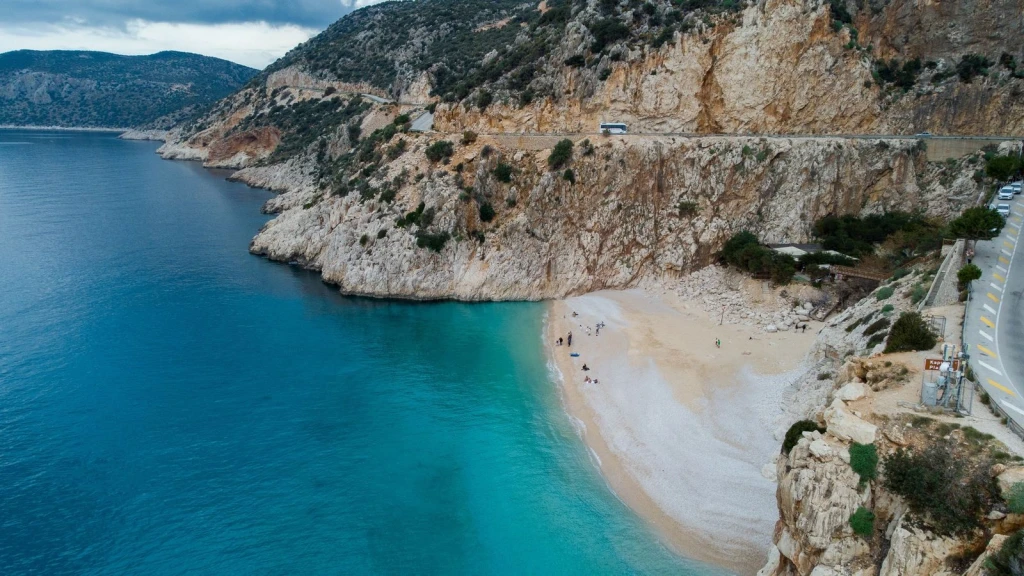
There is no single best month for Turkey. The country is about 1,600 km wide, and in January the average afternoon high on the Antalya coast is 15 °C while Cappadocia's average night is below freezing. So the useful question is narrower: the best time for what, and in which part of the country?
This guide answers it with official long-term weather and sea averages from the Turkish State Meteorological Service (MGM), and with rounded monthly visitor figures from the Ministry of Culture and Tourism's 2025 annual border statistics bulletin. We have added the 2027 dates that actually change a trip, such as Ramadan, the two Eid holidays and the end of the Turkish school year. We are based in Side on the Antalya coast, so the coast gets a little more detail.
The short answer
- For a mix of sightseeing and beach: mid-May to mid-June, or mid-September to the end of October. The Mediterranean is above 20 °C, city sightseeing is comfortable, and the summer peak is either still ahead or already over.
- For swimming in the warmest sea: July to September. MGM's long-term average for the Mediterranean peaks at 28.1 °C in August.
- For Istanbul, Ephesus and Pamukkale on foot: April, May and October. Average highs sit roughly between 17 °C and 27 °C, against about 30–36 °C in July and August.
- For Cappadocia: April to June and September to October for walking the valleys. Balloons fly in every month, but only on mornings when the aviation authority allows it, and winter mornings are cancelled more often.
- For the fewest crowds: November to March. In 2025, January and February each brought about 2.2 million foreign visitors, against 7.1 million in July.
Turkey weather month by month
These are MGM long-term averages (1991–2020, except Istanbul, which MGM publishes for 1950–2025). They are planning figures, not a forecast for any particular week.
Month Antalya coast high / low Mediterranean sea Rainy days (Antalya) Istanbul high Cappadocia high / low Pamukkale high January | 15.0 / 5.9 °C | 16.7 °C | 12.6 | 9.6 °C | 4.1 / −3.5 °C | 10.7 °C |
February | 15.9 / 6.5 °C | 16.0 °C | 10.8 | 10.2 °C | 6.0 / −2.6 °C | 12.7 °C |
March | 18.4 / 8.3 °C | 16.6 °C | 9.6 | 12.4 °C | 10.9 / 1.0 °C | 16.5 °C |
April | 21.8 / 11.3 °C | 18.1 °C | 8.4 | 17.4 °C | 16.3 / 5.2 °C | 21.3 °C |
May | 26.4 / 15.7 °C | 20.8 °C | 7.1 | 22.3 °C | 21.2 / 9.3 °C | 27.0 °C |
June | 31.6 / 20.1 °C | 23.9 °C | 3.3 | 27.1 °C | 25.6 / 12.3 °C | 32.3 °C |
July | 34.9 / 23.4 °C | 26.7 °C | 1.2 | 29.7 °C | 29.3 / 14.6 °C | 35.7 °C |
August | 34.9 / 23.7 °C | 28.1 °C | 0.7 | 29.7 °C | 29.4 / 14.5 °C | 35.7 °C |
September | 31.7 / 20.1 °C | 27.0 °C | 2.6 | 25.9 °C | 25.3 / 11.3 °C | 31.0 °C |
October | 27.3 / 15.9 °C | 24.6 °C | 6.2 | 20.6 °C | 19.1 / 7.4 °C | 24.7 °C |
November | 21.6 / 10.7 °C | 21.4 °C | 8.5 | 16.1 °C | 11.6 / 2.1 °C | 17.8 °C |
December | 16.7 / 7.5 °C | 18.5 °C | 12.4 | 11.8 °C | 6.2 / −1.4 °C | 12.2 °C |
The station names behind the columns are Antalya, Istanbul, Nevşehir (for Cappadocia) and Denizli (for Pamukkale). The sea column is MGM's 1970–2025 monthly average for the Turkish Mediterranean.
Three things stand out in the table.
The sea lags the air by about a month. In April the air on the coast is already 21.8 °C, but the sea is still 18.1 °C. In October the air has cooled to 27.3 °C while the sea is still 24.6 °C, warmer than it is in June. If swimming matters to you, autumn beats spring.
Winter rain on the coast comes in heavy bursts. December is Antalya's wettest month, with an average of 271.7 mm, but that falls on about 12 days. The rest of the month is dry, which is why a coastal winter break works better than the rainfall total suggests.
Cappadocia is a different climate. It sits at over 1,000 m on the central plateau. Average lows are below zero from December to February, and May, not winter, is its rainiest month (13.4 rainy days on average).
The other two seas are cooler. MGM puts the Aegean at 24.6 °C and the Sea of Marmara at 24.2 °C in August, against 28.1 °C for the Mediterranean, and the Marmara drops to about 8 °C in February.
How busy is each month?
Weather is only half the decision. The visitor column below gives rounded figures from the Ministry of Culture and Tourism's 2025 annual border statistics bulletin for foreign visitors arriving in Turkey, with day length in Antalya on the 15th of each month in 2027 for comparison.
Month Foreign visitors, 2025 (rounded) Daylight in Antalya (15th, 2027) January | 2.17 million | 9 h 54 min |
February | 2.17 million | 10 h 50 min |
March | 2.35 million | 11 h 54 min |
April | 3.90 million | 13 h 07 min |
May | 5.04 million | 14 h 07 min |
June | 5.77 million | 14 h 40 min |
July | 7.12 million | 14 h 26 min |
August | 6.97 million | 13 h 34 min |
September | 6.09 million | 12 h 25 min |
October | 5.68 million | 11 h 16 min |
November | 2.80 million | 10 h 12 min |
December | 2.72 million | 9 h 38 min |
Numbers more than double between March and May, peak in July and August, and halve between October and November. The figures count border arrivals, not hotel nights, and foreign visitors only. Turkish families add their own peaks when the school year ends (25 June 2027) and during the Eid holidays.
Season by season
Spring (March to May)
March is still cool and changeable everywhere, and the Mediterranean is near its coldest (about 16–17 °C), so it is a sightseeing month. In April Istanbul's parks fill with tulips, Ephesus and Pamukkale are pleasant at midday, and the Antalya coast reaches the low 20s. Our Turkey in April guide goes region by region.
May gives the best balance on paper. Coastal highs average 26.4 °C, the Mediterranean reaches 20.8 °C, and visitor numbers are still below summer levels. The catch in 2027 is the Kurban Bayramı holiday from 16 to 19 May (see the calendar below), when many Turkish families travel.
Summer (June to August)
Summer is for the sea. On the Antalya coast, highs average 31.6 °C in June and almost 35 °C in July and August, and August averages less than one rainy day. Plan sightseeing for early morning or late afternoon: Pamukkale (Denizli) averages 35.7 °C in July and August, İzmir, the nearest station to Ephesus, about 34 °C, and neither site has much shade.
If you want to try diving, the Side undersea museum diving tour is built for first-timers: a trial dive at 4 metres one-to-one with an instructor, then a second dive at about 8 metres among the statues. It has no fixed season and runs on days when the weather and sea allow, and a wetsuit is part of the included equipment.
Autumn (September to November)
September and October are the strongest months for a combined trip. The Mediterranean stays above 24 °C through October and the air cools to sightseeing temperatures. Visitor numbers fall from 7.1 million in July to 6.1 million in September and 5.7 million in October. Our Turkey in October guide covers where it is still warm late in the month.
November is the turning point. The coast still averages 21.6 °C by day and the sea 21.4 °C, but average rainfall doubles compared with October (152 mm against 77 mm) and Cappadocia's nights drop close to freezing. Visitor numbers halve, which makes it a good month for Istanbul and the ancient sites if you pack a rain layer.
Winter (December to February)
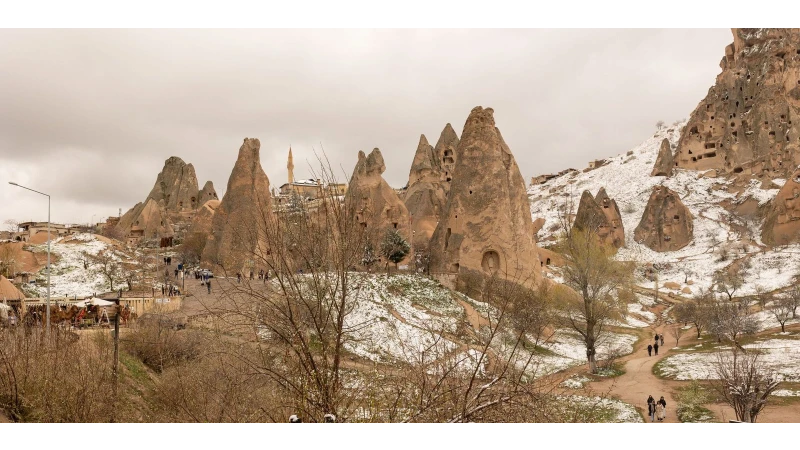 Winter splits the country. The Antalya coast is mild (15–17 °C highs) with short days and heavy rain on some of them, and at 16–18.5 °C the sea is too cold for most swimmers. Boat trips depend on the weather, while the old towns, museums and archaeological sites stay open. Our Antalya in winter guide lists what is open.
Istanbul is grey and wet (about 15–16 rainy days in December and January) but has no summer queues. Cappadocia can be white with snow. Balloon flights are decided every morning by Turkey's civil aviation authority through a red, yellow and green flag system for each flying area, and in winter wind, fog and snow cancel more flights. If a balloon flight matters to you, give yourself at least three mornings. Our Cappadocia in December guide explains how the system works.
2027 dates that change your plans
Date (2027) What happens What it means for visitors 8 February – 8 March | Ramadan | Most restaurants in tourist areas keep normal hours; traffic is heavy just before sunset. |
8 March (afternoon) and 9–11 March | Ramazan Bayramı (Eid al-Fitr) | Public holiday. Museums open from 13:00 on the first day. The Grand Bazaar normally closes for religious holidays. |
1 April | New museum ticket prices | Official 2027 entrance fees apply from this date. |
23 April (Friday) | National Sovereignty and Children's Day | Public holiday, long weekend for Turkish families. |
1 May (Saturday) | Labour Day | Public holiday; some central Istanbul roads and stations can close. |
15 May (afternoon) and 16–19 May | Kurban Bayramı (Eid al-Adha) | Public holiday of four and a half days with the eve; many Turkish families travel. Museums open from 13:00 on the first day. |
19 May (Wednesday) | Youth and Sports Day | Public holiday. |
25 June | Turkish school year ends | Domestic summer holidays start. |
15 July, 30 August, 29 October | National public holidays | Banks and offices close; 28 October is a half day. |
The Islamic holiday dates are from Turkey's Presidency of Religious Affairs (Diyanet); public holidays from Law No. 2429; the school date from the Ministry of National Education. For more detail, see our Ramadan in Turkey 2027 guide.
One more seasonal rule: from 1 May to the end of September, protected turtle-nesting beaches such as İztuzu near Dalyan, Patara and Çıralı close to visitors from 20:00 to 08:00. Daytime swimming is unaffected.
Best time by region
- Antalya coast (Side, Belek, Alanya, Kemer): late May to June and September to October for the best balance. July and August for guaranteed heat and the warmest sea. November to March for quiet sightseeing, not for beach days.
- Istanbul: April to early June and September to October. Winter is fine for museums if you accept the rain.
- Cappadocia: April to June and September to October for walking. December to February for snow scenes, with spare mornings for balloon cancellations. May is the wettest month, and even then early mornings average about 9 °C, so bring a warm layer for a balloon start.
- Pamukkale and Ephesus: March to May and October to November. Summer middays are the hottest of any region in the table.
- The Aegean coast (Bodrum, Kuşadası, İzmir): June to September for swimming. The sea is about 2.5–3.5 °C cooler than the Mediterranean in high summer.
Frequently asked questions
What is the best month to visit Turkey? For a first trip that mixes sightseeing and the beach, May and late September to October are the strongest choices. Coastal highs are about 26–32 °C, the Mediterranean is above 20 °C, and visitor numbers are below the July and August peak.
What is the worst time to visit Turkey? It depends on the trip. July and August are the hardest months for sightseeing, with the most visitors and average highs of about 34–36 °C around Ephesus and Pamukkale. December to February is the weakest period for a beach holiday, with the sea at 16–18 °C and the most rain on the coast.
When is the sea warm enough to swim in Turkey? On the Mediterranean coast, the sea averages 20.8 °C in May, stays above 23 °C from June to October and peaks at 28.1 °C in August. The Aegean and Marmara are cooler.
Is November a good time to visit Turkey? For sightseeing, yes. The Antalya coast still averages 21.6 °C by day, Istanbul 16.1 °C, and the number of foreign visitors is less than half of July's. Expect more rain than in October and cold nights in Cappadocia.
Can you see the Cappadocia balloons all year? Yes. Flights operate year-round, but only on mornings when the civil aviation authority gives a green flag for the flying area. Winter has more cancellations, so plan several mornings.
When are the main holidays in Turkey in 2027? Ramadan runs from 8 February to 8 March, Ramazan Bayramı is 9–11 March and Kurban Bayramı is 16–19 May. National holidays fall on 1 January, 23 April, 1 May, 19 May, 15 July, 30 August and 29 October.